A Guide to Food Storage
Hello, friends! Whether you’re an experienced home cook or someone who loves preparing meals in advance, knowing how long to store food safely is very important. Proper freezing and refrigeration keep your meals tasty, fresh, and—most importantly—safe to eat. It’s important to remember that refrigeration or freezing of foods does not reverse any spoilage already present in the food. In this blog, I’ll share simple tips on how long you can freeze different foods and how to keep leftovers or fresh items in the fridge. Let’s keep your kitchen smart, safe, and full of deliciousness!
Why Does Food Storage Matter?
Storing food properly slows the growth of harmful bacteria that can cause foodborne illness. It also helps keep your meals flavorful and nutritious. Freezing is great for long-term storage, while the fridge is perfect for short-term keeping.
How Long to Keep Food in the Refrigerator
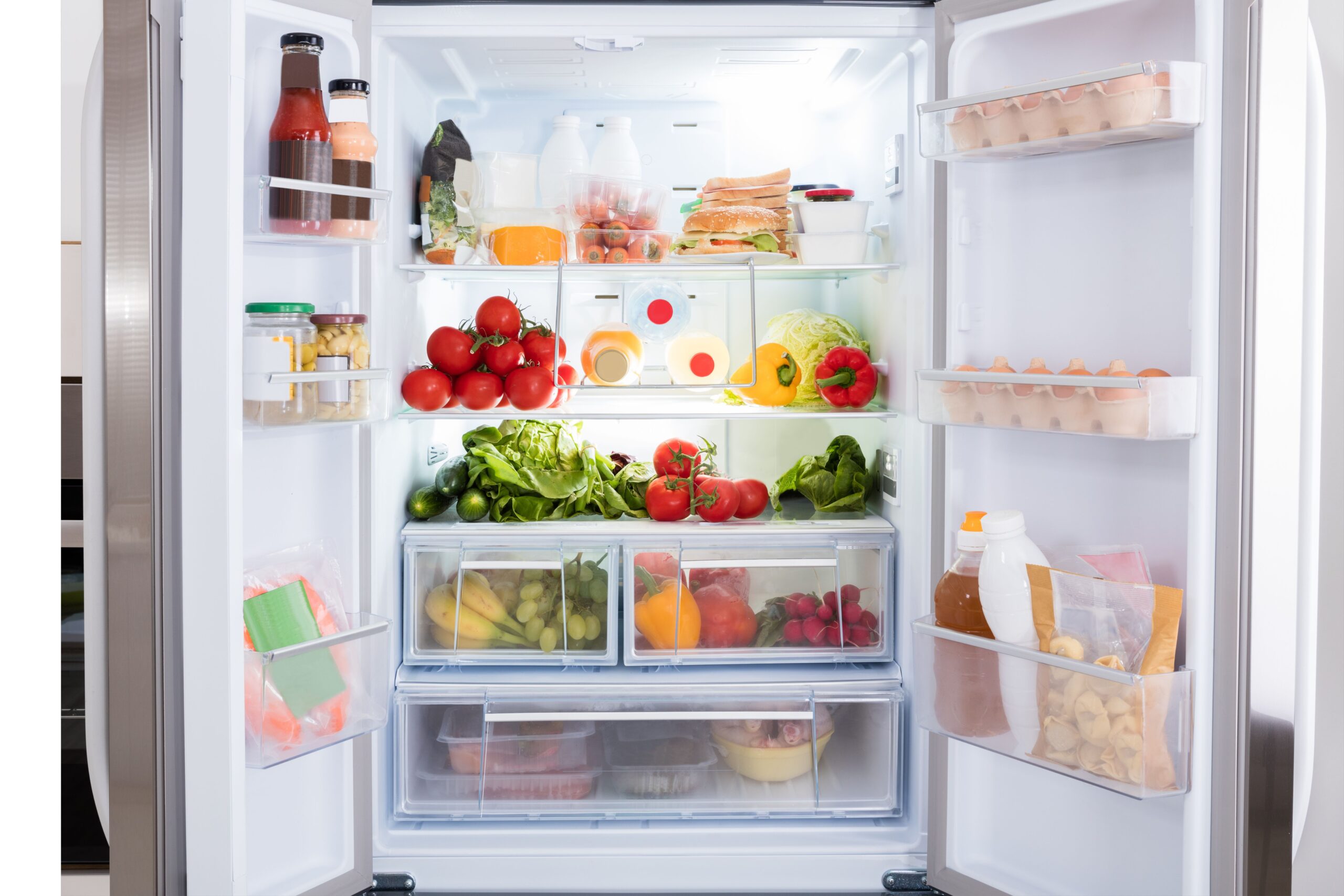
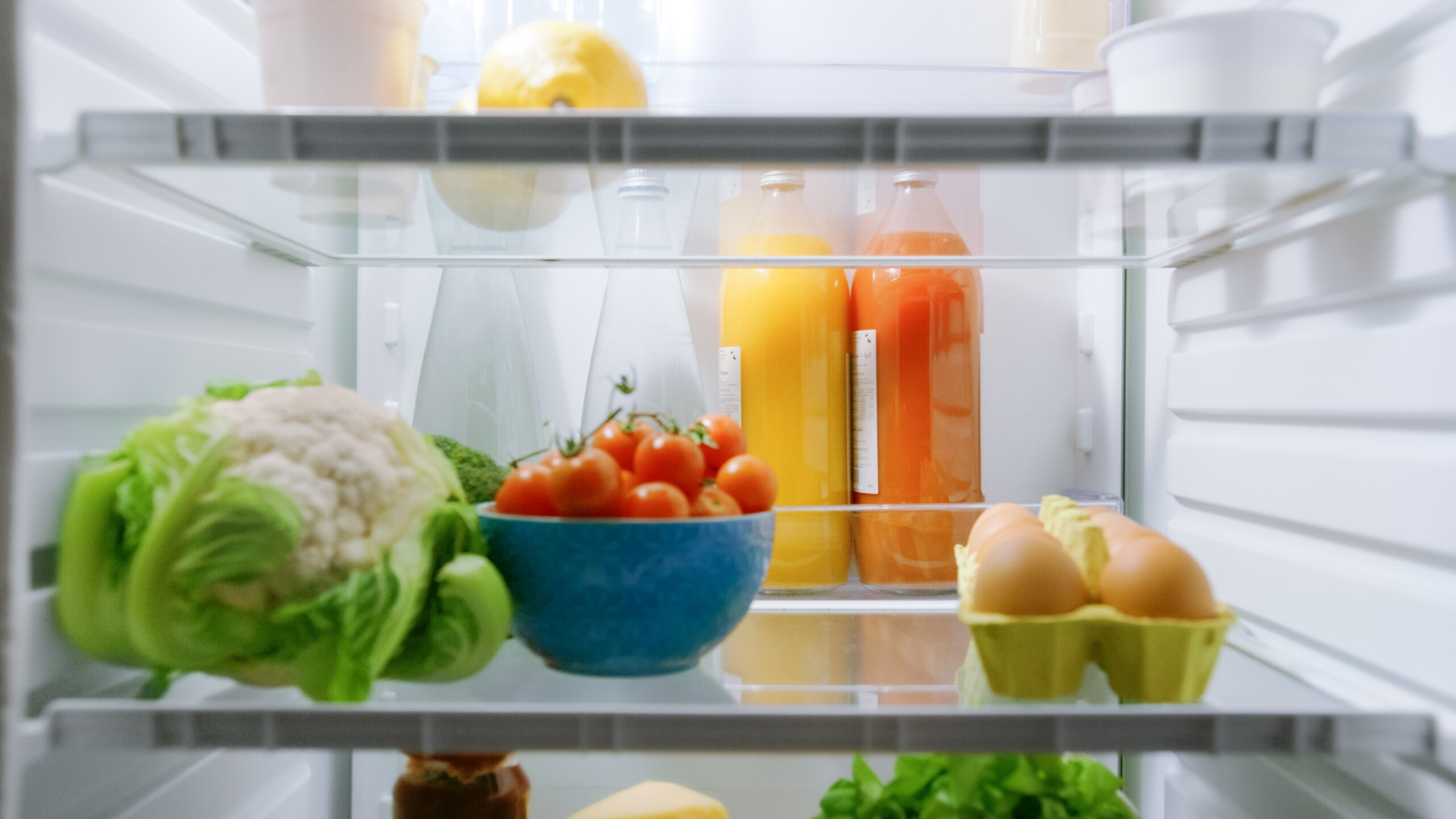
Your refrigerator should be set at or below 40°F (4°C). Here’s a quick overview of common fridge storage durations (this is not comprehensive, nor limited to the foods listed—when in doubt, throw it out).
- Cooked leftovers: 3 to 4 days
- Fresh poultry or most fresh seafood: 1 to 2 days
- Raw ground meats (beef, pork, turkey): 1 to 2 days
- Raw steaks, chops, or roasts: 3 to 5 days
- Fresh eggs (in shell): 3 to 5 weeks
- Milk: usually 5–7 days after opening or until the use-by date — check smell/appearance
- Cut fruits: 3 to 5 days
- Fresh vegetables: 1 to 7 days, depending on the type (leafy greens are shorter, hardier veggies last longer)
How Long to Freeze Food
Freezing stops bacteria growth by turning water in food into ice. Ensure your freezer is at 0°F (-18°C) or lower. Here’s how long foods last in the freezer: (again, this is not an exhaustive list, nor are these the only foods; when in doubt, throw it out).
- Cooked meats and casseroles: 2 to 6 months
- Raw poultry (whole): Up to 1 year
- Raw poultry (pieces): 9 months
- Raw beef, pork, lamb (steaks, chops): 4 to 12 months
- Ground meat: 3 to 4 months
- Fish (lean): 6 to 8 months
- Fish (fatty, like salmon): 2 to 3 months
- Breads and baked goods: 3 months (wrap well to avoid freezer burn)
- Soups and stews: 2 to 3 months
Tips for Safe and Smart Food Storage
- Label everything! Write the date you stored it, so you know how long it’s been. (check out our blog onEasy Labeling Systems for Older Adults )
- Use airtight containers or freezer bags to prevent freezer burn and block odors.
- Cool cooked food before refrigerating or freezing to avoid raising the fridge/freezer temperature.
- Thaw food safely in the fridge, under cold water, or with the microwave—not at room temperature.
- When unsure, discard it. If food smells bad or appears unusual, it’s better not to take the risk.
Quick Reference Chart
| Food Type | Refrigerator | Freezer |
| Cooked leftovers | 3-4 days | 2-6 months |
| Poultry (raw whole) | 1-2 days | Up to 1 year |
| Ground meat (raw) | 1-2 days | 3-4 months |
| Beef/Pork (steaks) | 3-5 days | 4-12 months |
| Fish (lean) | 1-2 days | 6-8 months |
| Bread & baked goods | 7 days | 3 months |
| Fresh eggs (in shell) | 3-5 weeks | Not recommended |
Tracking how long your food stays fresh helps you enjoy meals safely and reduce waste. Freezing is your best option when you want to save leftovers or bulk meals for months, while your fridge is ideal for daily freshness.
Feel free to bookmark this guide or print the chart to keep in your kitchen.
Happy Leftovers!
*Please note, while the refrigeration, freezing, food tips, and safe storage are recommendations and are not all inclusive.
More information can be found on the following link:
About Our Guest Blogger
Anna Clark is a passionate home cook who believes that healthy eating and exercising should never be boring. After caring for her elderly parents for years, she became proficient at creating delicious, heart-smart recipes for managing high cholesterol and diabetes. Combining her love for wholesome ingredients with practical kitchen skills, Anna enjoys sharing tips and recipes that make healthy living fun and accessible for everyone. When she’s not experimenting with new healthy dishes, you’ll find her hiking, camping, and off-roading in the Rocky Mountains.
Share This Story:


Leave A Comment
You must be logged in to post a comment.