Growing Joy Without Growing Aches and Pains
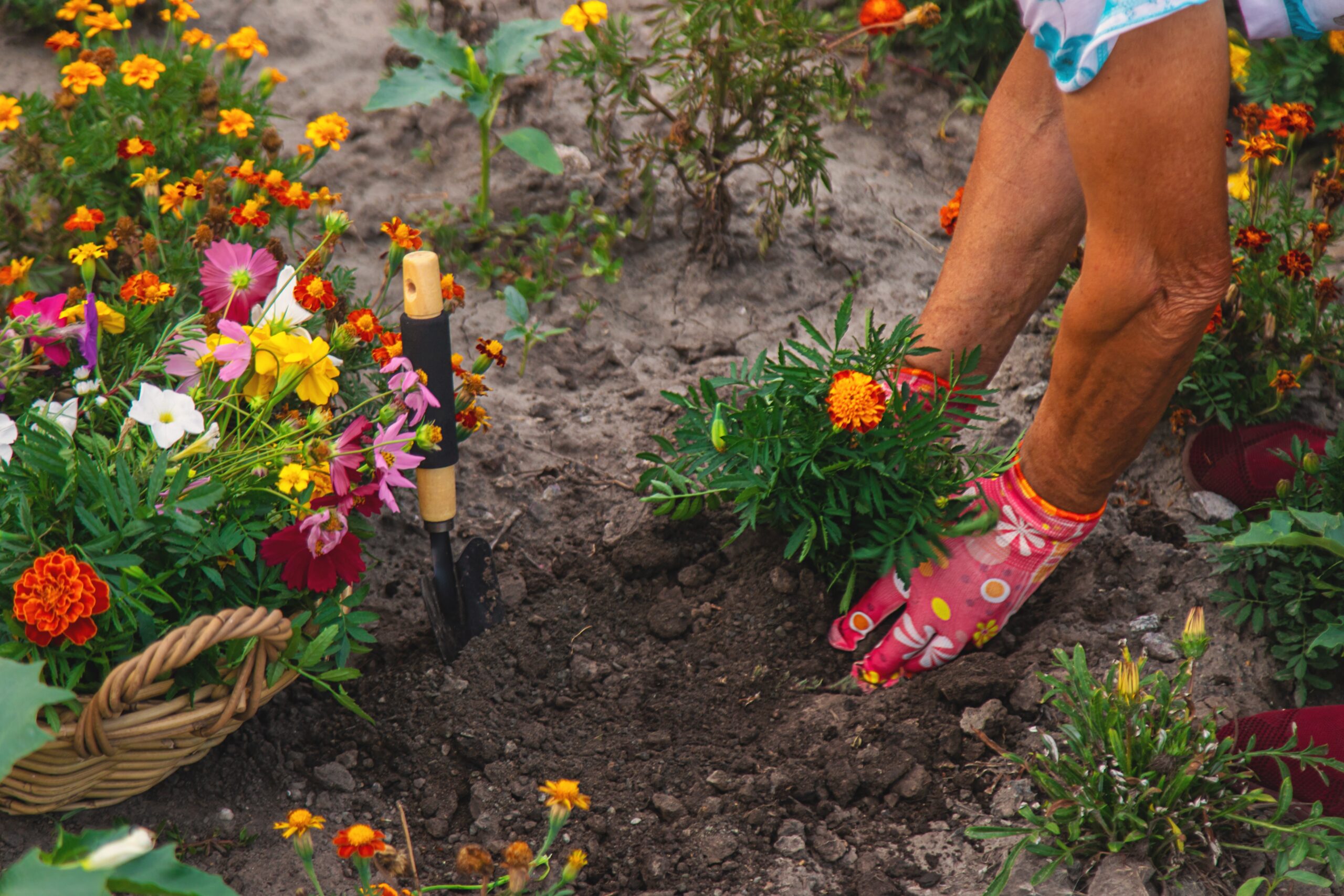
There is something deeply satisfying about putting your hands in the dirt.
Tomatoes don’t care how old you are. Zinnias don’t judge your balance. Basil never once asked about your cholesterol.
But your knees?
Oh, your knees absolutely have opinions.
Every May, I tell myself the same thing: “I’ll just plant a few things this year.”
And every May, I somehow end up reorganizing half the yard like I’ve been hired by a botanical magazine.
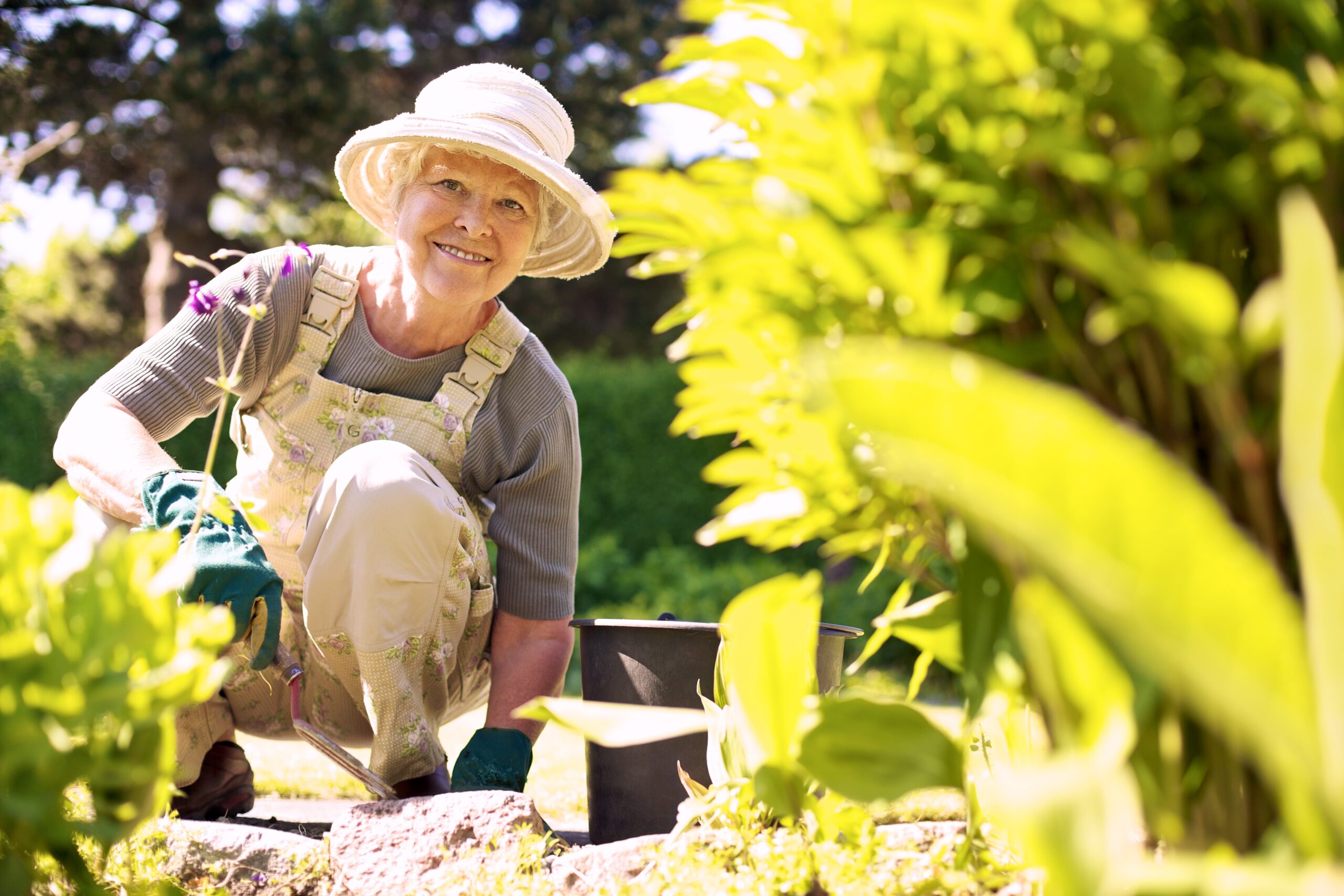
Gardening keeps us young — but only if we do it wisely.
So let’s talk about how to grow beautiful things without growing new aches and pains.
Why Gardening Is So Good for You (Beyond the Tomatoes)
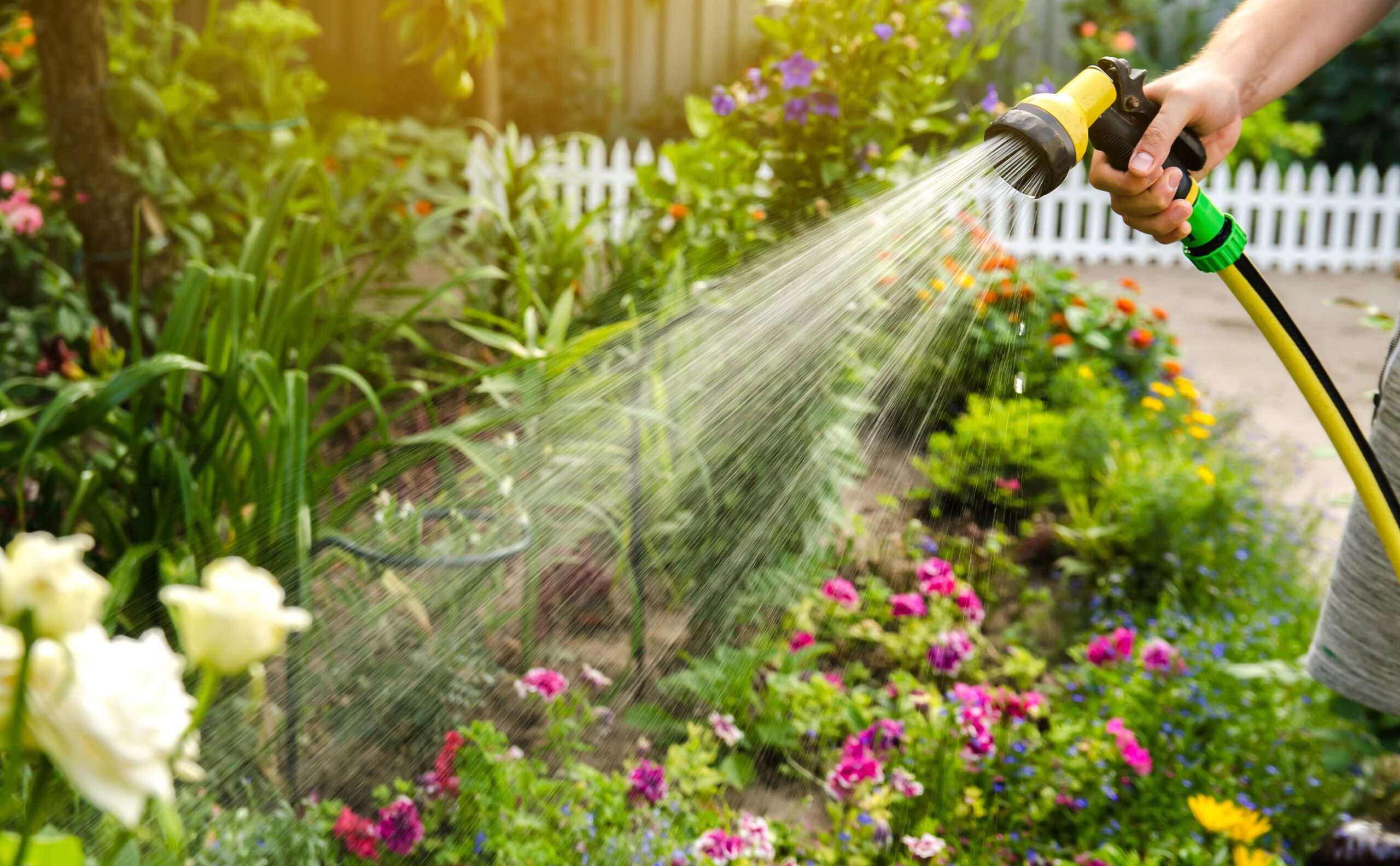
Gardening isn’t just a hobby. It’s powerful for healthy aging.
It can:
- Improve mood and reduce stress
- Encourage regular movement
- Increase vitamin D exposure
- Support hand strength and coordination
- Provide a sense of purpose
- Even reduce symptoms of anxiety and depression
There’s a reason doctors often recommend it.
According to research highlighted by the National Institute on Aging, regular physical activity — even light activity like gardening — supports overall physical and cognitive health.
https://www.nia.nih.gov/health/exercise-physical-activity
In other words, your petunias are practically a wellness plan.
Garden Smarter, Not Harder
If you love gardening but your body negotiates differently than it used to, these adjustments make a world of difference.
- Raised Beds Are Your Best Friend
Raised garden beds:
- Reduce bending and kneeling
- Improve drainage
- Warm up faster in spring
- Easier to maintain
You can build them higher — even waist height — for minimal strain.
Here’s a helpful beginner’s guide to raised beds from: Gardener’s Supply Company
Your back will thank you.
- Invest in Ergonomic Tools
Look for:
- Lightweight tools
- Padded handles
- Long-handled weeders
- Ratcheting pruners
Arthritis-friendly gardening tools are widely available now — and worth every penny.
I have found this helpful tool guide from Better Homes & Gardens:
Remember: you are not proving anything by wrestling with heavy equipment.
- Use the 20-Minute Rule
Garden for 20–30 minutes.
Then stop.
Stretch. Hydrate. Admire your work. Maybe brag a little.
Returning later prevents overuse injuries — and allows you to enjoy the process instead of paying for it tomorrow.
Protecting Joints and Muscles
Before you head outside:
- Stretch your shoulders, back, and hamstrings
- Wear supportive shoes (no slippery sandals)
- Use kneeling pads or a garden bench
- Alternate tasks to avoid repetitive strain
If your back whispers, listen.
If it shouts, stop.
Wisdom is knowing when to rest.
Hydration: Yes, Again
May sunshine can turn sneaky quickly.
Bring water outside with you.
Drink before you feel thirsty.
Wear a hat and sunscreen.
Hydration supports:
- Muscle function
- Balance
- Energy levels
And no, coffee still does not count.
What to Plant After 60 (Low-Maintenance Favorites)
If you want beauty without a full-time commitment, consider:
Perennials (Come Back Every Year)
- Black-eyed Susans
- Coneflowers
- Daylilies
- Hostas
Easy Vegetables
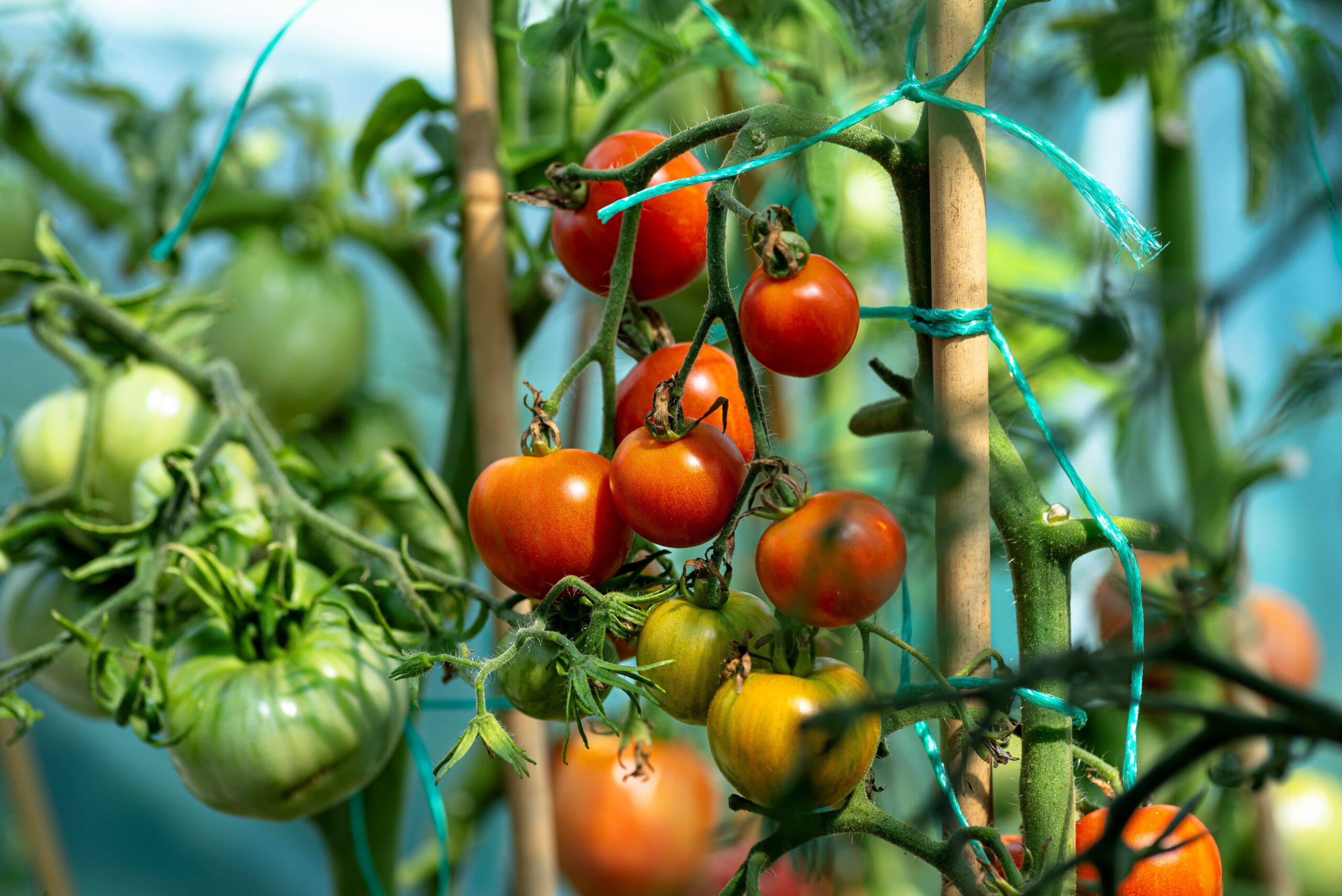
- Cherry tomatoes
- Lettuce
- Zucchini
- Green beans
- Herbs like basil and rosemary
Container Gardening Is Underrated
If managing a full yard feels overwhelming:
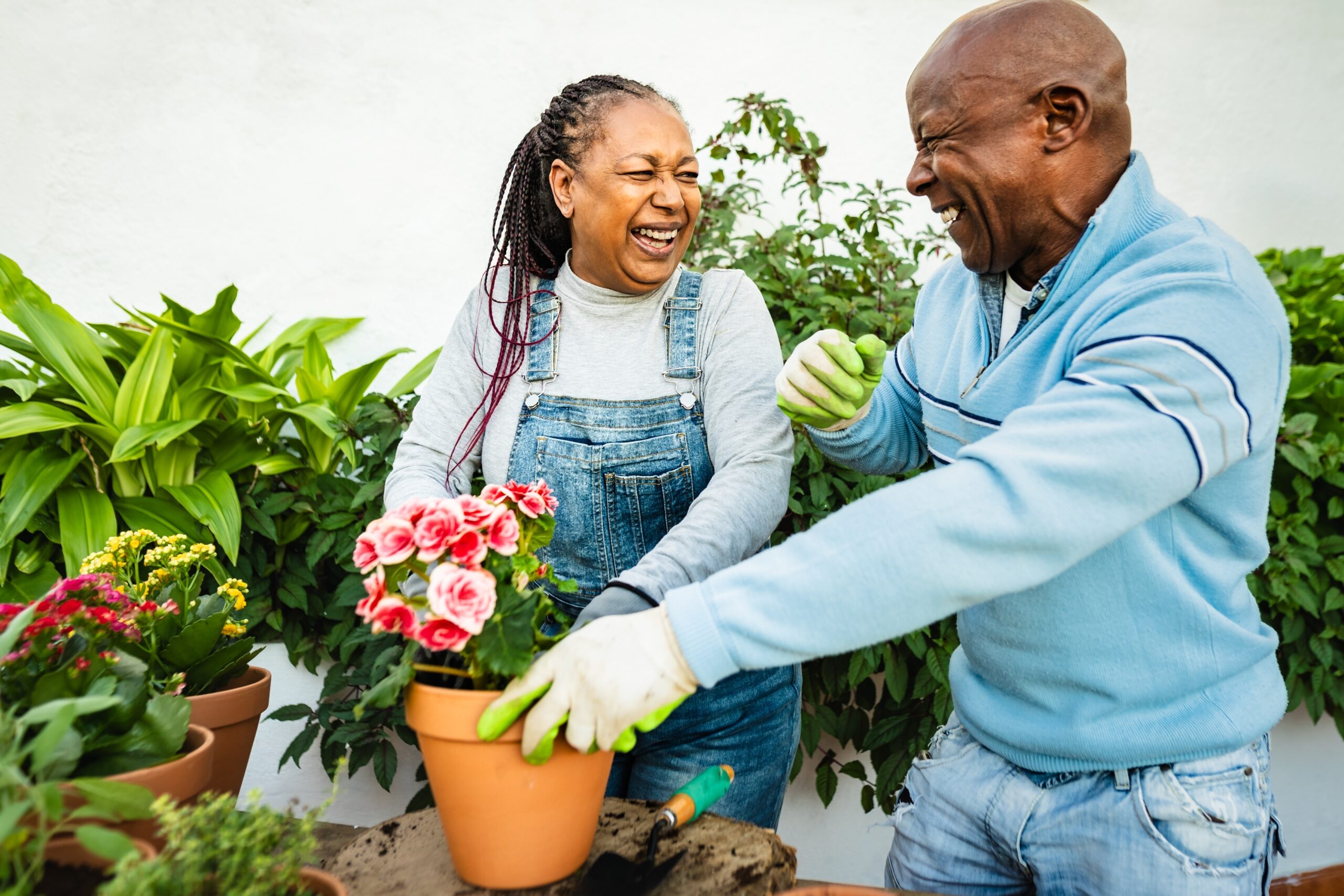
- Use pots and containers
- Try vertical planters
- Create a small patio garden
Container gardening:
- Reduces weeding
- Controls soil quality
- Limits bending
Here’s a helpful beginner guide from HGTV:
https://www.hgtv.com/outdoors/flowers-and-plants
Smaller space. Same joy.
Simplify Without Guilt
There was a time I planted 40 tomato plants.
Now I plant six.
And I enjoy all six.
There is no award for exhaustion.
If yard maintenance feels heavier than it used to, consider:
- Downsizing garden beds
- Hiring seasonal help
- Swapping lawn space for mulch
- Choosing low-maintenance landscaping
Sometimes growing less produces more peace.
The Emotional Side of Gardening
Gardening connects us to:
- Memories of parents and grandparents
- Family recipes
- Children running through sprinklers
- Summers that felt endless
Every bloom carries a story.
And here’s something wise:
You don’t garden because you’re young.
You garden because you’re alive.
A Gentle Reminder
If dizziness, shortness of breath, or unusual fatigue show up while gardening, pause and consult your healthcare provider.
Strong and independent also means proactive.
If you’re unsure about physical limits, consider joining a community gardening group or asking about safe outdoor activity programs designed for older adults. Many communities offer them — and they’re a wonderful way to stay active and connected.
This May, plant something.
Even if it’s just one pot of basil.
Also check out our other blogs: Seasonal Gardening Guide
Share This Story:


Leave A Comment
You must be logged in to post a comment.