Retirement Crisis — A Nation at Peak 65
So are you ‘ready’ to retire? I know I was, when the time came. But seriously; Are you ‘ready‘ to retire? Although Social Security plays a role in our ability to afford to live without working, the primary burden lays upon the retirees, themselves.
It’s easy for me to say that I was ready because I knew that we could survive financially. Of course, we had to sacrifice a lot in order to do so. No more big-brick home, no garage, one car, rarely dining out, very little or no travel, etc. Nonetheless, we live fairly comfortably, but will it be that way for everybody?
Not likely—and why not?
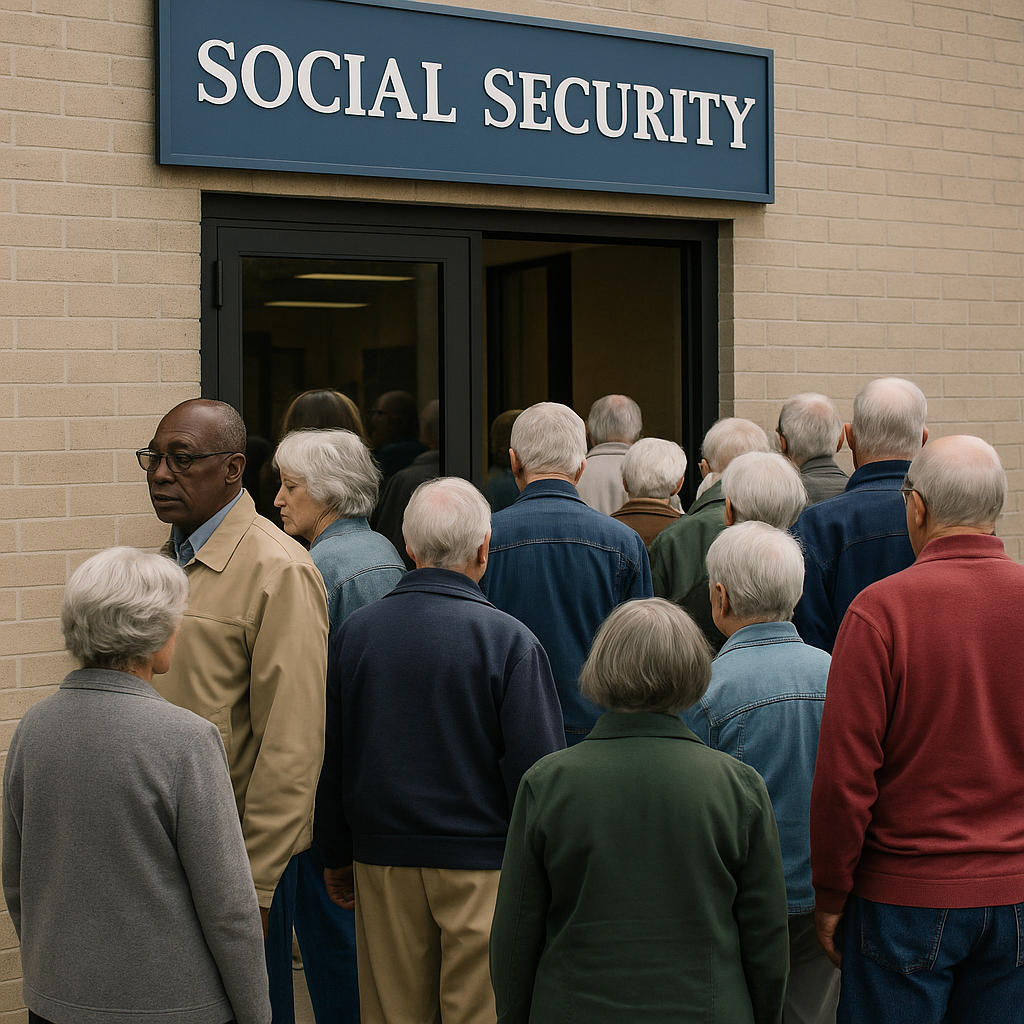
Ten thousand Americans a day are turning sixty‑five, and the generation that built modern America is now trying to retire from it. This moment — what analysts call the “Peak 65” wave — is the largest mass retirement in history. But there’s a crack running straight through the dream: nearly two‑thirds of Baby Boomers are walking into retirement without enough savings to sustain the lifestyle they built.
Which is exactly what happened to us. (I swore that I would NEVER retire to a mobile-home park, and I didn’t—I live in a “manufactured home community.” Not much difference!
The math is brutal. According to the Alliance for Lifetime Income’s Peak 65® Zone report, about two‑thirds of Boomers reaching retirement age between 2024 – 2030 are financially unprepared. That’s nearly fifty million people — people who worked through, likely, the most prosperous decades in history, but they still may come up short.
In addition, 2024 marks a historic reversal, when there will be more Americans 65 or over than children under age 15. These demographic changes will have major implications for the country’s fiscal finances, as well as the retirement security for Boomers and generations that follow. (census.gov)
Speaking from experience; retirees today with an approximate $4000/m income, paying rent between $1200 – $1600/m, can live comfortably if frugal enough, and with a very modest but comfortable lifestyle. That, however, would require retiring debt-free and without large medical or other expenses.
The Geography of the Gap
According to the Census Bureau, Florida, Texas, California, New York, and Pennsylvania hold the largest Boomer populations. Maine, West Virginia, Delaware, and Vermont top the list by percentage of seniors.
In Florida — the reality is more fragile than the the environment.
Nationwide: The Census Bureau’s 2024 population estimates show over 76 million Boomers nationwide, nearly a full 20% of the nations population. Apply the Two-Thirds-Rule and you’ve got a financial fault line running coast to coast.

CLICK IMAGE TO ENLARGE
The cost‑of‑living problem doesn’t hit evenly. A modest retirement might stretch in rural Arkansas but vanish in Miami Beach. (See NIRS .pdf) The same savings that sustain comfort in one state barely cover rent in another. Geography shapes destiny, and for millions, that destiny involves trading a higher lifestyle for survival.
How Did We Get Here?
The roots go deep. Boomers were the first generation to watch the pension disappear — replaced by the 401(k), a DIY retirement plan most workers never fully understood. Personally speaking, I kept borrowing from mine to cover unexpected expenses.
My family, as did many others, lost more than $100,000 between two market crashes, a pandemic, and the cost of raising and educating four children. These among other reasons are why many Boomers feel trapped between shrinking savings and swelling expenses.
There’s also psychology in play. We counted on Social Security, home equity, and maybe a little inheritance — which was supposed to be enough. But the average Social Security benefit barely covers forty percent of pre‑retirement income for most.
For us, my wife and me … our Social Security is more like 76% of our monthly income, making us one of the more / or less fortunate recipients, depending on how you view it. For those without a pension or substantial savings, that means tough choices: work longer, working post-retirement, downsize, giving up a few dreams, and/or depend on others (children, et al.) for help.
Glimmers of Change
Not all is doom and gloom. Some states are experimenting with solutions. The National Conference of State Legislatures reports that participants in state‑run auto‑IRA programs are saving about $197 a month — at least it’s a start toward closing late‑career gaps. It’s not salvation, but it’s structure.
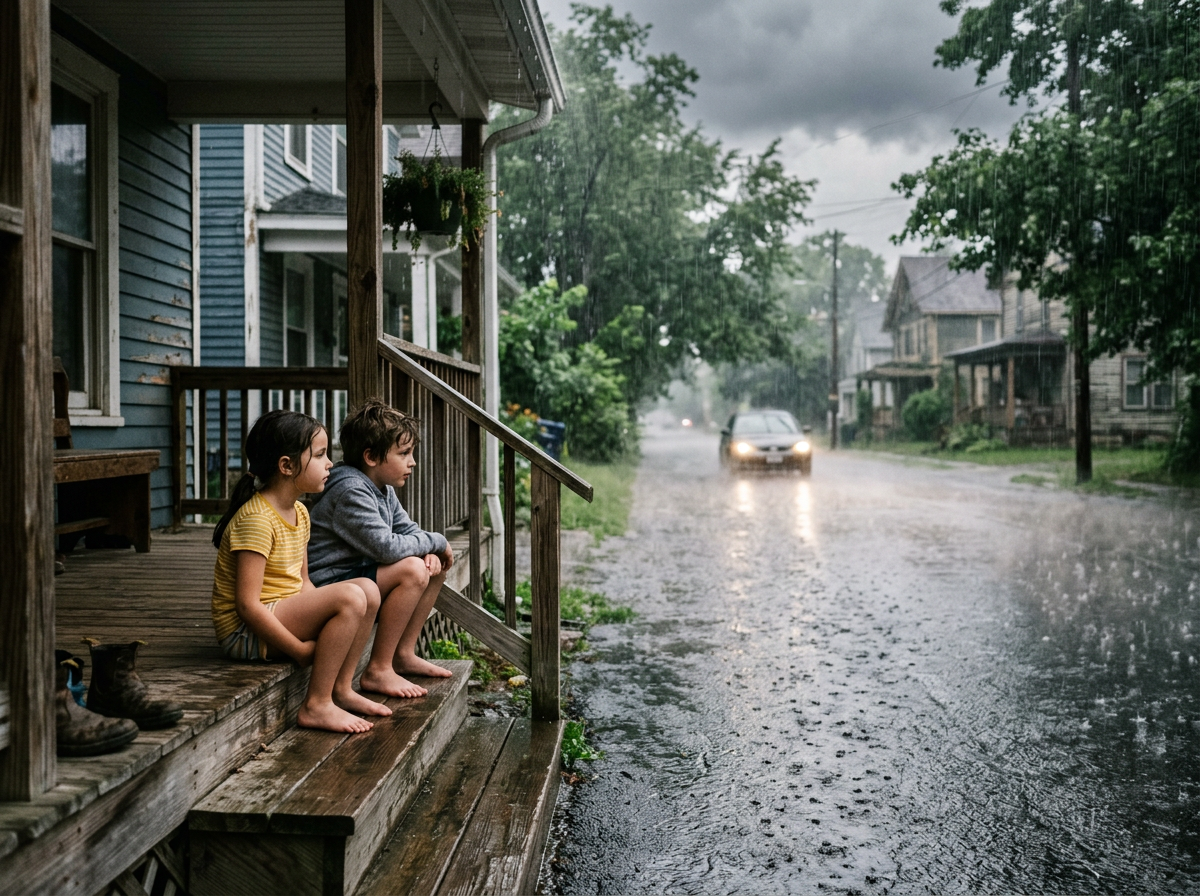
Retirement was once the payoff for a lifetime of labor — the porch swing, the grandkids, the slow restful mornings. Personally speaking, for our parents it meant living with us. They integrated with our family and shared what they could. For millions that will not be the case. But despair isn’t the end of this story; awareness is the beginning of resolution.
The Boomers’ struggle is a warning flare for everyone younger — Gen X, Millennials, even Gen Z. If the richest generation in history can end up short, what does that say about the rest of us?
The Road Ahead
America is now 250 years old, and during that time it repeatedly reinvented itself, and this will be no exception. The question isn’t “can we solve it?” but rather “Have we learned from it and will we act before the next wave hits?”
Education, earlier saving, and smarter policy could still rewrite the story. For Boomers already at the edge, adaptation is survival — gig work, downsizing, shared housing, or turning hobbies into income streams (like writing for a blog page like this one, or finding new and meaningful work behind a desk as I did at the local hospital, et al.).
It may not look like the retirement we were promised, but it can still hold meaning.
There’s courage in facing reality without illusion. There’s grace in preparing for less and finding more in what remains.
So here we stand, at Peak 65 — the summit of one generation’s climb. The view is sobering, but the horizon isn’t gone. With clear eyes and steady hearts, there’s still time to make these final decades count — not in dollars, but in purpose.
Share This Story:


Leave A Comment
You must be logged in to post a comment.